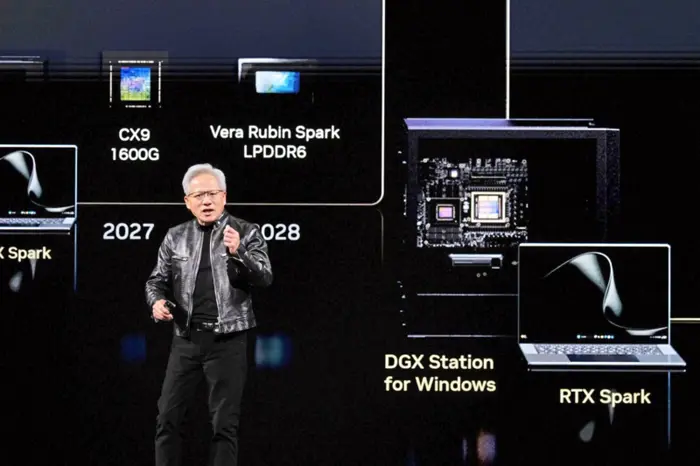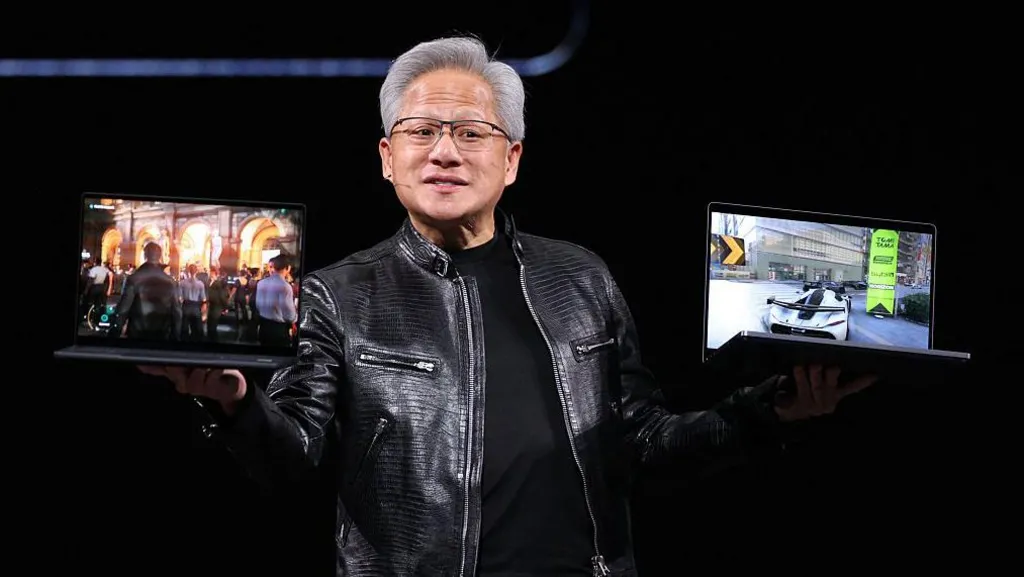
In a landmark presentation that is already reshaping the tech landscape, Nvidia announces new AI chip technology that signals more than just a hardware upgrade. For CEO Jensen Huang, this launch marks the definitive transition from a traditional semiconductor company to the architect of the "AI Factory" era.
But what does this shift actually mean for the industry? It turns out, the future of technology isn't just about faster silicon—it's about how we manufacture intelligence itself.
Beyond Hardware: The Factory Metaphor
During the keynote, Huang outlined a vision where the definition of a "factory" has fundamentally changed. Historically, factories produced tangible goods; in the new era, they produce AI intelligence.
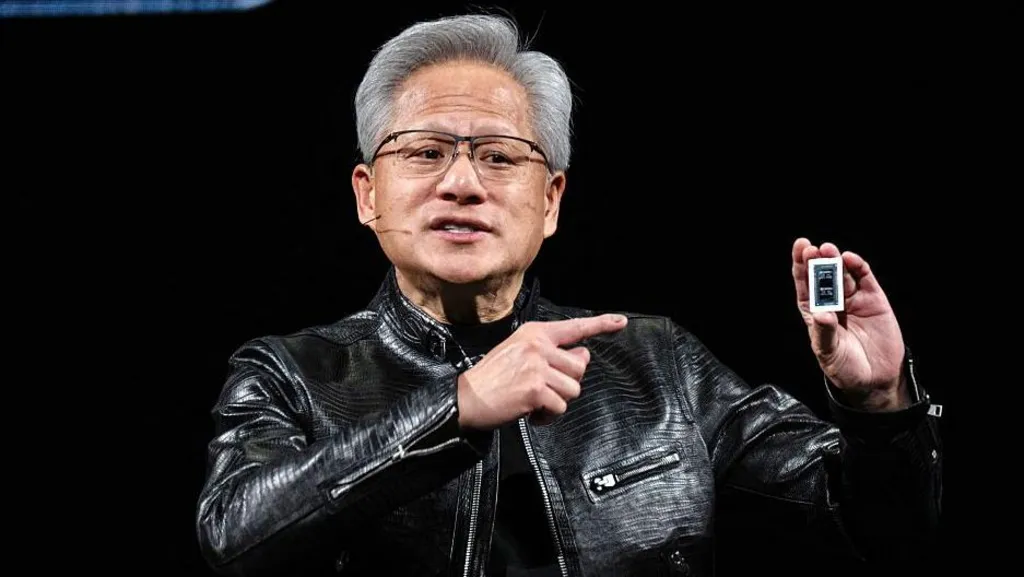
In this new paradigm, Nvidia’s latest chips act as the "raw material." When these chips are deployed within massive, power-optimized data centers, they function as an engine that converts electricity into high-value outcomes—specifically, Agentic AI.
What is an 'Agentic' AI Factory?
The term "Agentic" refers to AI systems that don't just generate text or images but can observe, reason, and act independently to complete complex workflows. The new hardware architecture is designed specifically to power these autonomous agents:
- From Generation to Execution: These systems call tools, run code, and evaluate results, effectively acting as digital workers.
- The Power-to-Intelligence Ratio: Huang emphasized that because data center power is the ultimate constraint, the new chips focus on "Token production per watt." Essentially, every watt of electricity consumed must produce the maximum amount of usable intelligence.
- A New Asset Class: If the "AI Factory" is the engine, then the "Tokens" generated are the currency. Companies that master this production flow will define the next decade of commercial dominance.

Watch: NVIDIA Computex Keynote
Why This Matters for the Future
By focusing on the "AI Factory" model, Nvidia is moving away from being a mere component supplier. They are providing the entire infrastructure stack—from the chips themselves to the simulation software and networking gear.
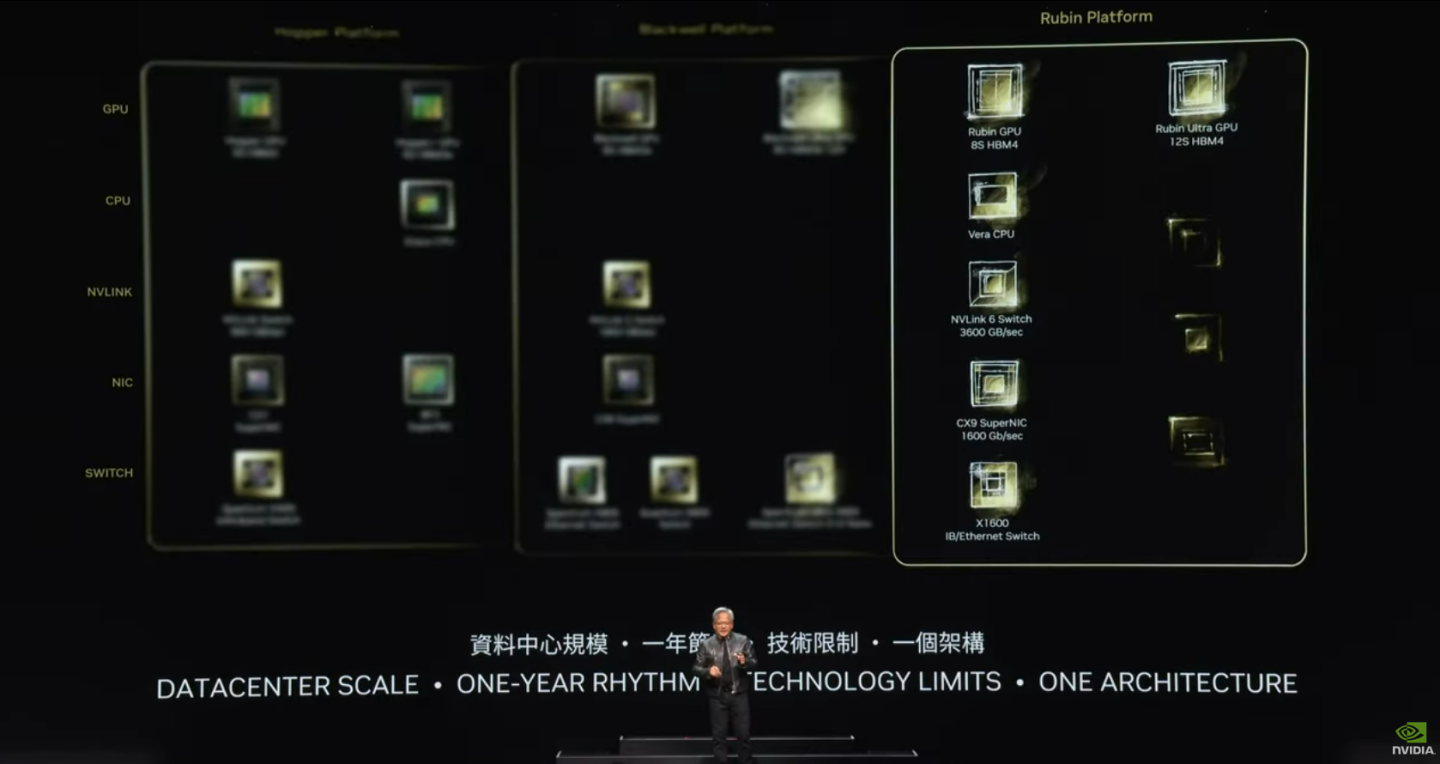
This suggests that for businesses, the goal is no longer just "buying hardware." It is about building an infrastructure that can scale intelligence. As Huang pointed out, software engineers are not being replaced by this shift; rather, they are being empowered to multiply their output by orders of magnitude through the use of these intelligent agents.
The Bottom Line
Nvidia announces new AI chip platforms, but the real news is the shift in philosophy. We are moving toward a world where electricity is the primary resource, and intelligence is the product. As the "Agentic AI" era takes hold, the winners will be those who view their data centers not as server rooms, but as modern, high-efficiency production lines for the digital age.